

Scan to download Babaoo Attention
.svg)


Everything you need to know about Neuropsychologists



When should you see a neuropsychologist?
Neuropsychology explained to parents
Signs I notice in my child
Certain behaviors or difficulties may lead you to consult a neuropsychologist:
- Difficulty concentrating or frequently daydreaming
- Impulsive behaviors or strong emotional reactions at school or at home
- Possible signs of ADHD (inattention, hyperactivity, difficulty following instructions)
- Emotional or behavioral difficulties (anxiety, frequent anger, aggression)
- Delays in cognitive, social, or language development
- Persistent learning difficulties despite effort (reading, writing, math, etc.)
- Suspected learning disorders (dyslexia, dysorthographia, etc.)
- Need for evaluation after a head injury or neurological condition
- Questions about giftedness
- Low self-confidence linked to difficulties understanding how they function
The role of the neuropsychologist
A neuropsychologist is a psychologist specialized in brain functioning and learning processes.
They carry out assessments to better understand a child’s cognitive profile: what works well, what is more difficult, and why. Their role is to guide therapeutic support, establish differential diagnoses when needed (e.g. ADHD, learning disorders, giftedness), and help build personalized strategies. They can also support families in understanding and managing daily challenges.
Goals of neuropsychology sessions
The neuropsychologist helps your child develop essential skills such as attention, planning, memory, and emotional regulation. They provide tailored strategies to help children follow lessons more easily, manage stress, organize learning, and build confidence.
🎯 Goal: give children practical tools to feel more confident and effective when learning.
Areas of intervention in neuropsychology
Neuropsychologists support children with cognitive or neurodevelopmental differences that impact everyday life and school:
- Learning disorders (dyslexia, dyscalculia, dyspraxia, etc.)
- Attention Deficit Hyperactivity Disorder (ADHD)
- Difficulties with reasoning and cognitive flexibility (e.g. autism spectrum disorder, executive function difficulties, etc.)
Missions of the neuropsychologist
The neuropsychologist works on:
- Assessing cognitive functions (memory, attention, language, etc.)
- Supporting and training executive functions (planning, emotional regulation, cognitive flexibility, etc.)
- Implementing strategies to improve learning and organization
- Helping children manage stress and emotions
- Supporting parents and teachers in adapting the child’s environment
Methods and tools used by neuropsychologists
Neuropsychological interventions rely on different tools and techniques, such as:
- Standardized tests to understand the child’s cognitive functioning
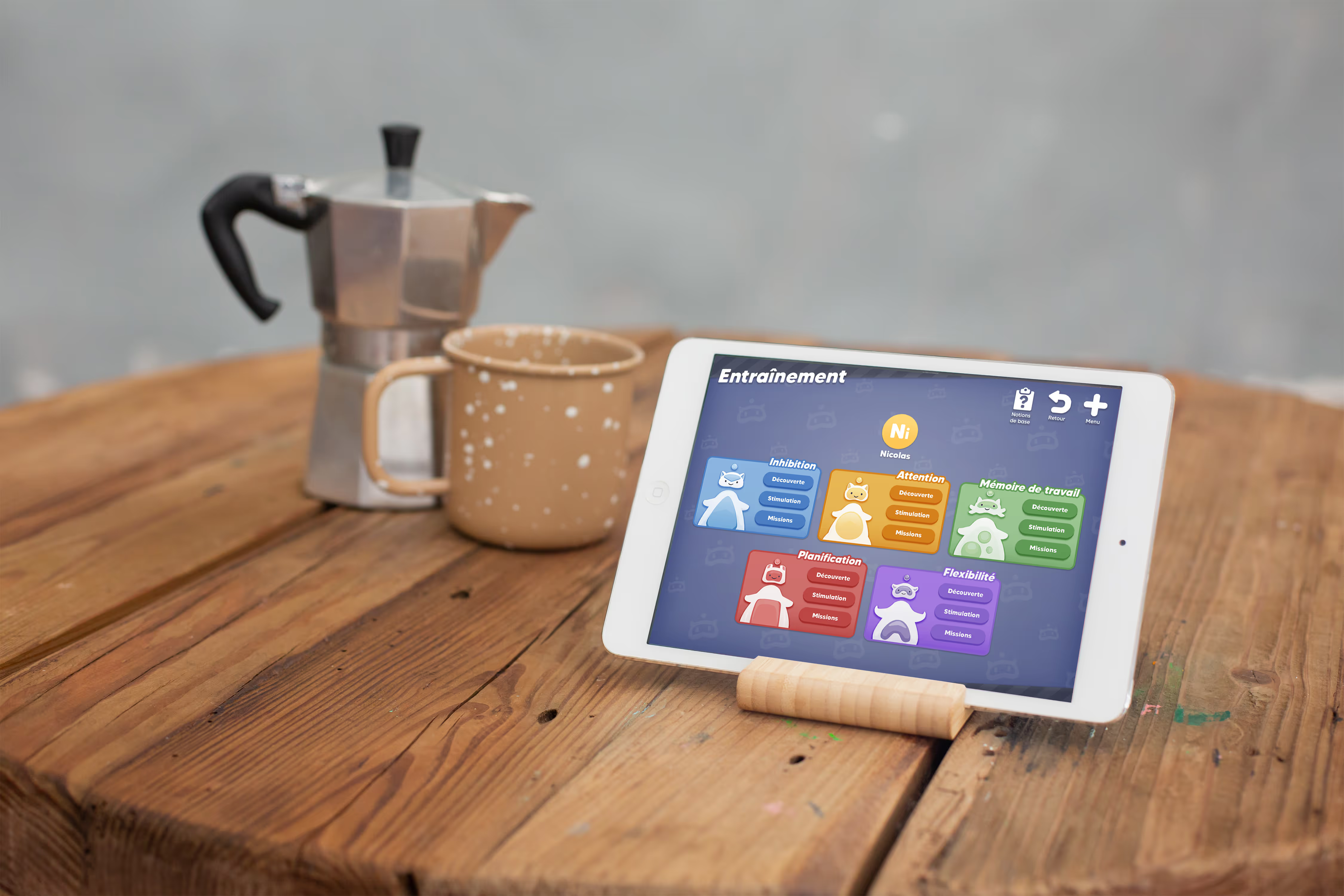
- Exercises, games, and apps designed to strengthen Executive Functions and emotional regulation
- Cognitive remediation techniques
- Personalized support tailored to the child’s specific needs
How to prepare my child for a visit to the neuropsychologist
Neuropsychology explained to children, by children!
What is a neuropsychologist?
A neuropsychologist is a bit like a brain detective!
Their job is to help children who have difficulties concentrating, remembering, organizing, or learning. They try to understand how the brain works in order to provide adapted strategies.
What happens during a neuropsychology session?
- Let’s discover your brain! ✨ The neuropsychologist starts by asking questions and giving small tests to understand how you think and remember things.
- Let’s find your superpowers and challenges! ⚡ Every brain is unique. The neuropsychologist will identify what feels easy for you and what feels more difficult.
- Let’s practice through play! 🎮 They will suggest games and exercises to improve your concentration, memory, or organization strategies.
- What happens next? 💡 You’ll leave with tips and strategies to try at home and at school so you can improve step by step.
Where does a neuropsychologist work?
Neuropsychologists may work in hospitals, specialized centers, private practices, or alongside schools and healthcare professionals.
Which Babaoos will you discover with the neuropsychologist? What games will you play?
With the neuropsychologist, you’ll discover 5 Babaoos: the 5 super-allies of your Brain!
- Inhi is the expert in controlling actions and thoughts. Inhi teaches you how to press “Stop” and think before acting!
- Atteni is the guardian of your Attention. With Atteni, you’ll learn how to focus on the right thing, at the right moment, for the right amount of time.
- Memtra is your ally whenever lots of information is involved. Thanks to Memtra, you’ll learn how to handle words and images without losing them along the way!
- Flexi is the calmest Babaoo. If you feel stuck when instructions change or your first idea doesn’t work, don’t panic! Flexi teaches you how to adapt and find another solution.
- Plano is always there to help you solve problems. Plano teaches you how to organize your work step by step and check each stage carefully. Without a doubt, Plano is the most organized Babaoo!
With each Babaoo, discover and practice through play to develop skills that will help you feel more comfortable at school, succeed, and build confidence.
Day in the life of a neuropsychologist
Behind the scenes of neuropsychology.
The challenges of being a neuropsychologist
The neuropsychologist is the superhero of the brain and learning!
Using neuroscience knowledge, they analyze children’s cognitive functions and suggest adapted solutions to help them learn and thrive. They play a key role in supporting neurodevelopmental disorders and helping children better understand how they function.
A superhero, because every day they face many challenges:
- 🕒 Assessments are essential but time-consuming: conducting a full neuropsychological evaluation takes time and requires appropriate tools to refine analysis and recommendations.
- 🔄 Transfer: after an assessment, how can we make sure the child truly applies the suggested strategies in everyday life (school, home)?
- 🎮 Maintaining children’s engagement: working on Executive Functions can feel difficult. Finding playful and motivating approaches is essential to prevent discouragement.
Executive Functions: why work on them in neuropsychology?
- 💡 Inhibitory control: why strengthen it in neuropsychology? When a child acts too quickly, mistakes are more likely. By developing inhibitory control, children learn to better regulate actions and impulses. They become more able to pause and think before acting, leading to more accurate movements and better decisions.
- 💡 Attention: why improve it in neuropsychology? A child who struggles to focus may have difficulty completing tasks or organizing actions. Working on attention helps children identify essential information and carry out activities more effectively and in a more structured way.
- 💡 Working memory: why stimulate it in neuropsychology? Working memory plays a key role in managing information in real time. It allows children to remember instructions or the steps of an exercise. Strengthening it helps children become more autonomous and accurate in learning and everyday activities.
- 💡 Cognitive flexibility: why develop it in neuropsychology? Adapting to change or modifying an approach when a solution does not work are essential skills. By working on cognitive flexibility, children learn to switch more easily between tasks and consider different strategies, strengthening autonomy and self-confidence.
- 💡 Planning and organization: why work on them in neuropsychology? Planning and structuring actions are fundamental skills for completing tasks from beginning to end. Some children struggle to anticipate steps or organize their work. Targeted support helps them better structure schoolwork and everyday activities.
Babaoo: the app that helps neuropsychologists work on Executive Functions
A tool developed with cognitive neuroscience experts.
Babaoo supports you
Babaoo is a fun and scientifically grounded app that stimulates Executive Functions and develops Metacognition in both neurodivergent and neurotypical children.
A ready-to-use journey to learn how to learn and master each Executive Function through:
- Metacognitive content integrated into short sessions
- Highly targeted mini-games that help children become aware of, automate, and contextualize the skills needed to better control their bodies and adjust their actions
- Real-life Missions designed to support transfer between and after sessions
Features that neuropsychologists will find useful
Babaoo offers several modes that may support you during sessions and between appointments with the child:
🎯 Training Mode
- Targeted mini-games designed to progressively develop each Executive Function according to the specific needs of children followed in neuropsychology
- Progressive difficulty levels that allow children to improve at their own pace and experience success
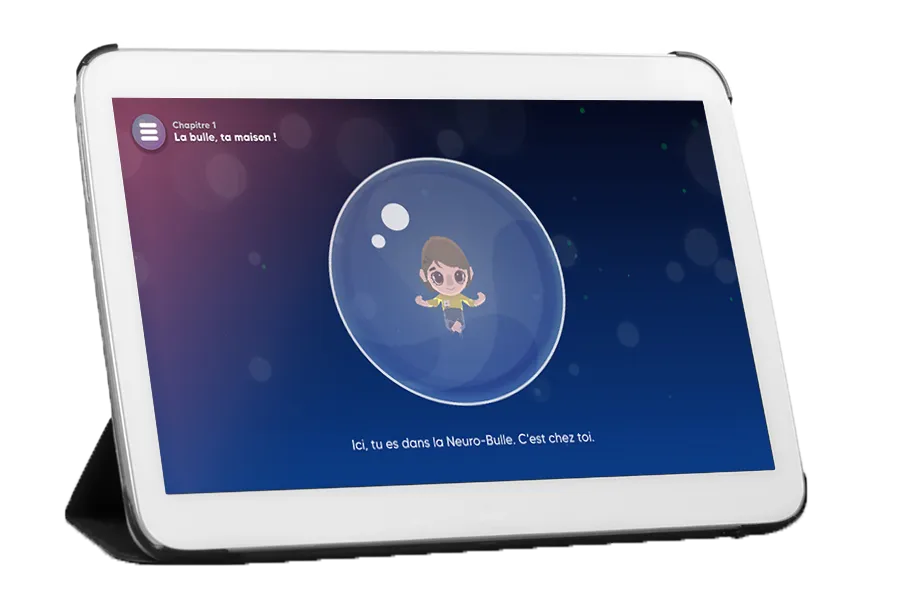
🧠 Adventure Mode
- An immersive narrative world that encourages children to continue developing cognitive skills at home without feeling like they are “doing exercises”
- An approach that promotes metacognition: children understand how their brain works and learn to use their own strategies to improve
🚀 Missions
- Real-world challenges to complete outside the app, encouraging the transfer of learning into everyday life and allowing parents and teachers to become involved in the process
- An opportunity to reinforce strategies practiced during sessions and foster the child’s autonomy
📊 A multidisciplinary tool
Speech therapists, occupational therapists, and teachers can also use Babaoo, helping create a consistent multidisciplinary approach.
Go further.
➡️ To learn more about the neuropsychologist’s profession and their role with children, read our article on the topic!
Help your child master Attention
Short, guided sessions to develop Attention and Self-control, at their own pace.